Effective Carpet Mold Removal: What Works and What Doesn't
If you have ever dealt with a musty smell in a room that just will not go away, you already know the frustration of hidden mold in carpet. I have spent years working in mold remediation, and I can tell you that a lot of the advice floating around online is either incomplete or just wrong. Carpet mold removal is not about scrubbing with bleach and calling it done. It is a process that requires careful inspection, the right tools, and a real understanding of how moisture feeds growth.
Mold in carpet often starts small. A spill that was not dried properly, a humid corner near a bathroom, or a slow leak under a window. In many homes I have worked on, the homeowner did not realize there was a problem until someone in the house started having allergy symptoms or a persistent cough. That is when they call a professional for a mold inspection, and we find that the damage has already spread into the carpet padding and sometimes into the subfloor moisture underneath.
Why Carpet Mold Is Different From Mold on Hard Surfaces
Carpet is porous. That means mold does not just sit on top where you can wipe it away. It grows down into the fibers, the backing, and the padding. If you treat the surface with a spray but leave the roots, the mold will come back. This is why so many DIY attempts at carpet mold removal fail within a few weeks.
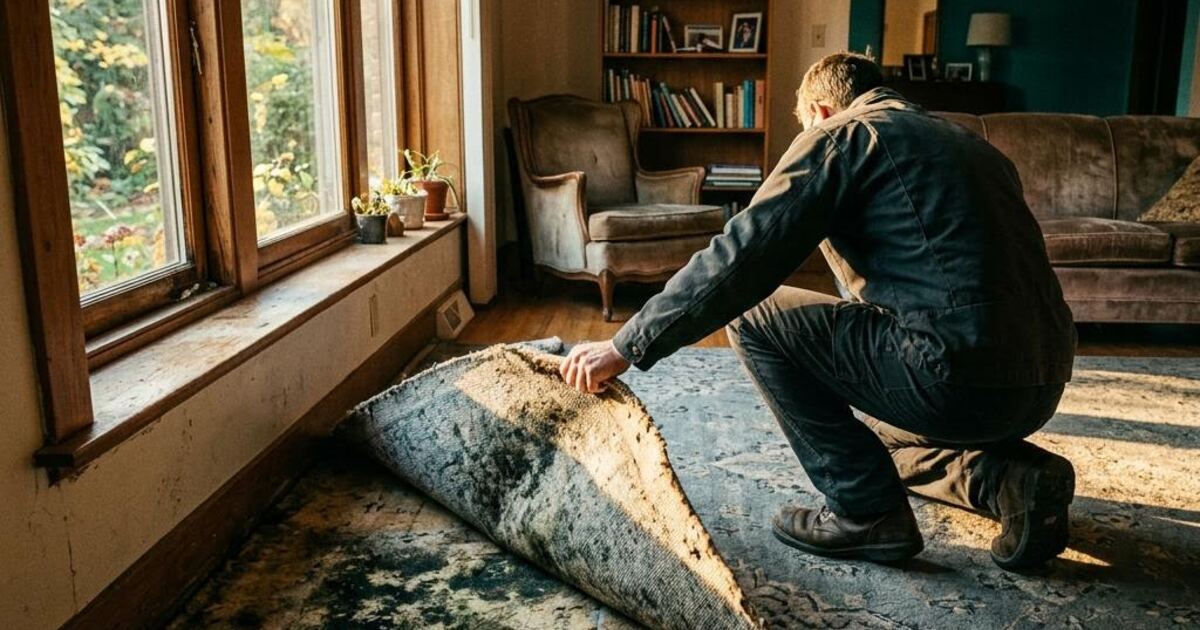
In my experience, the first step is always a thorough mold inspection. That is not just looking for visible spots. It means checking for hidden moisture with a meter, looking under baseboards, and sometimes lifting a corner of the carpet to see the padding. Black mold, especially Stachybotrys, can live in damp carpet padding for months before anyone sees it on the surface. By then, the air quality in the room has already degraded.
What Works: Proven Methods for Carpet Mold Removal
When I walk into a job, I carry a few tools that I have tested over many years. A HEPA vacuum is essential for capturing spores before they become airborne. Without it, you risk spreading the contamination to other rooms. I also use an air scrubber during the work to keep the air clean. These machines filter out particles down to 0.3 microns, which is small enough to catch most mold spores.
For the actual carpet mold removal, the method depends on how deep the mold has penetrated. If the mold is only on the surface and the carpet is still dry underneath, a thorough vacuuming with a HEPA vacuum, followed by a treatment with a product like Concrobium or Microban, can work. These are EPA-registered antimicrobials that kill mold on contact and leave a residue that prevents regrowth. I have used both, and I lean toward Concrobium for its ability to penetrate slightly deeper into the fibers.
But if the mold has reached the carpet padding, you have to remove the carpet entirely. There is no way around it. I have tried spot treatments with boric acid and even tea tree oil, but they only mask the smell temporarily. Once the padding is contaminated, the only reliable fix is to pull up the carpet, remove the old padding, and clean the subfloor with a product like RMR-141. Then you install a new moisture barrier before laying new carpet. That barrier is critical. Without it, any moisture that seeps up from the concrete slab will feed new mold growth in the fresh carpet.
The Limits of Household Products
I see a lot of advice recommending white vinegar or a bleach solution for carpet mold. Here is the reality: white vinegar kills some surface mold but does not penetrate deep enough for a carpet with padding. Bleach will kill mold on hard surfaces, but on carpet it can damage the fibers and it does not stop regrowth at the root. I have been called to homes where someone used bleach and the carpet looked clean for a week, then the spots came back darker than before. The bleach had killed the surface mold but left the deeper colony intact.
Tea tree oil is often suggested as a natural remedy. It does have antifungal properties, and it smells pleasant, but in my experience it is not strong enough for a full remediation. It might work for a small patch of surface mold on a low-pile rug that you can wash outside. For wall-to-wall carpet with a spongy pad underneath, tea tree oil is not going to solve the problem. Boric acid has a similar limitation. It is a good preventive treatment in dry conditions, but it does not kill active mold growth well.

When to Call a Professional
There are times when you can handle a small mold problem yourself. If you catch it early, dry the area thoroughly, and use a HEPA vacuum with an EPA-approved spray, you might get away with it. But if the carpet smells musty after cleaning, or if anyone in the house has asthma or allergies, it is time to call someone who does mold remediation for a living. A professional will bring an air scrubber, do a proper mold inspection, and test for Stachybotrys if they see black or greenish-black patches.
I have walked into homes where the homeowner had scrubbed the carpet with a bleach solution for weeks, and the mold kept coming back because the real problem was subfloor moisture from a leaking pipe. No amount of surface cleaning will fix that. The pipe has to be repaired, the subfloor dried out, and a moisture barrier installed before the carpet goes back down. That is a job that requires tools and experience most homeowners do not have.
Prevention Is Cheaper Than Cure
The best approach to carpet mold removal is to avoid needing it in the first place. Keep indoor humidity below 50 percent with a dehumidifier, especially in basements and bathrooms. Clean up spills immediately. If you live in a humid climate, consider using a dehumidifier year-round. I recommend a model with a built-in humidistat so it runs automatically.
Another simple step is to avoid wall-to-wall carpet in areas prone to moisture, like basements with concrete slabs. If you do install carpet there, make sure there is a moisture barrier between the concrete and the padding. That layer stops the wicking effect that draws moisture up from the slab and into the carpet. I have seen homes where a moisture barrier would have saved thousands of dollars in remediation costs.
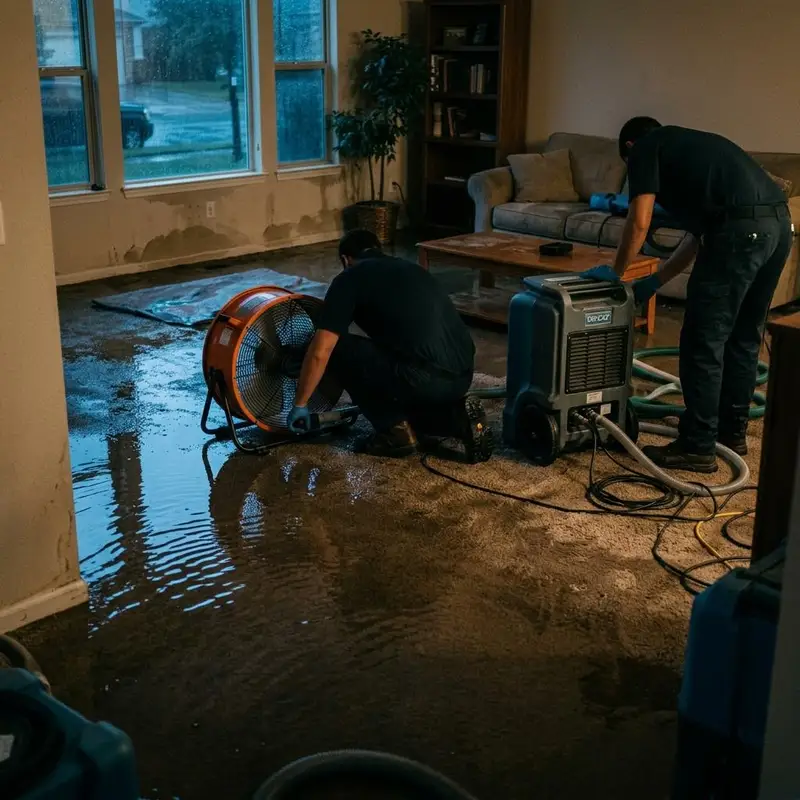
For spot treatments between professional cleanings, a HEPA vacuum used weekly will keep dust and spores from building up. If you notice a musty smell, act fast. That smell is a sign that mold is already growing. Do not wait until you see visible spots. By then, the mold has likely spread into the padding and the subfloor.
Final Thoughts on Carpet Mold Removal
I have seen too many homeowners waste money on sprays and home remedies that do not fix the root cause. Carpet mold removal is a serious job that requires the right approach. Whether you do it yourself or hire a professional, the key is to address both the visible mold and the hidden moisture that feeds it. A combination of a HEPA vacuum, an EPA-registered antimicrobial like Concrobium or Microban, and a proper moisture barrier will give you the best chance of success. If the mold has reached the padding or the subfloor, do not hesitate to remove the carpet and start fresh. It costs more upfront, but it saves you from repeated problems and protects the health of everyone in the building.